






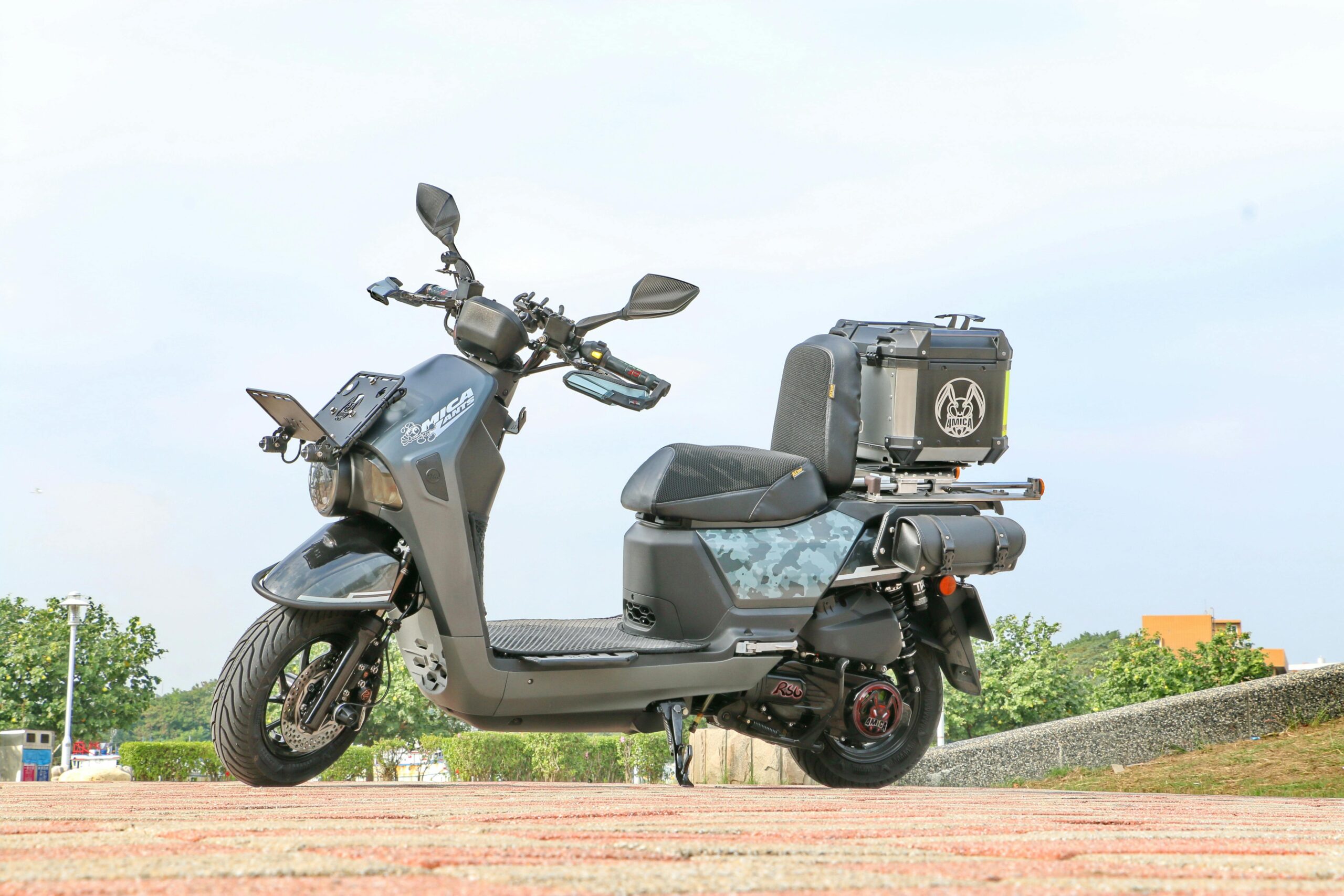
With rising fuel prices and increasing environmental challenges, electric vehicles are becoming a practical and cost-effective solution. To support students and promote green transportation, the Government of Pakistan has introduced the Prime Minister Electric Bike Scheme.
This detailed guide explains eligibility criteria, required documents, step-by-step application process, benefits, FAQs, and important tips to help you successfully apply.
What Is the Prime Minister Electric Bike Scheme?
The Prime Minister Electric Bike Scheme is a government initiative launched under the leadership of Shehbaz Sharif in Pakistan to encourage eco-friendly transportation among students and young professionals.
The primary objectives of the scheme include:
- Promoting electric mobility
- Reducing fuel consumption
- Supporting students with affordable transportation
- Lowering environmental pollution
- Encouraging sustainable development
Electric bikes (E-Bikes) offer lower operating costs compared to petrol motorcycles and are environmentally friendly.
Why the Government Introduced This Scheme
Pakistan faces increasing fuel costs and environmental concerns. By promoting electric bikes, the government aims to:
- Reduce dependency on imported fuel
- Support middle- and lower-income families
- Provide affordable transport for students
- Encourage clean energy adoption
This initiative aligns with global sustainability trends and climate-friendly policies.
Key Benefits of the E-Bike Scheme
Here are the main advantages of applying:
✔ Subsidized Electric Bikes
The government provides financial support to make electric bikes affordable.
✔ Easy Installment Plans
Some models may be available through interest-free or low-markup installments.
✔ Lower Running Costs
Electric bikes require less maintenance and no petrol expenses.
✔ Environment-Friendly
E-Bikes reduce carbon emissions and air pollution.
✔ Student Support
Many programs prioritize university and college students.
Who Is Eligible?
Eligibility criteria may vary depending on official announcements, but generally applicants must:
- Be a citizen of Pakistan
- Have a valid CNIC
- Be 18 years or older
- Hold a valid driving license or learner permit
- Be enrolled in a recognized educational institution (for student-focused programs)
Some versions of the scheme may allocate a percentage of bikes specifically for female students to promote equal mobility opportunities.
Required Documents
Prepare the following documents before applying:
- CNIC copy
- Student card or enrollment certificate
- Valid driving license or learner permit
- Passport-size photographs
- Active mobile number and email address
Ensure documents are clear and valid to avoid delays.
Step-by-Step Guide: How to Apply for Prime Minister Electric Bike Scheme
Step 1: Visit Official Registration Portal
Always apply through official government websites or authorized platforms. Avoid unofficial agents or social media pages claiming guaranteed approvals.
Step 2: Create Online Account
You may need to:
- Register using your CNIC
- Verify your mobile number
- Create a password
Keep your login details safe.
Step 3: Fill Out Application Form
Enter accurate details such as:
- Personal information
- Educational details
- Contact information
- Driving license information
Double-check before submitting.
Step 4: Upload Documents
Upload scanned copies in the required format (usually PDF or JPG). Incomplete applications may be rejected.
Step 5: Verification Process
Authorities will verify:
- CNIC authenticity
- Student enrollment
- Driving license status
You may receive confirmation via SMS or email.
Step 6: Balloting System (If Required)
If applications exceed available bikes, a transparent balloting system may be used to ensure fair distribution.
Step 7: Approval & Payment
Once approved:
- Sign installment agreement (if applicable)
- Pay initial deposit (if required)
- Collect bike from authorized dealer
Expected Cost & Installment Structure
While exact pricing depends on the bike model and subsidy amount, typically:
- Government covers partial cost
- Remaining amount payable in installments
- Monthly payments are designed to be affordable for students
Always confirm pricing from official sources.
Important Tips for Applicants
✔ Apply as early as possible
✔ Keep all documents ready before registration
✔ Use only official portals
✔ Avoid paying extra money to agents
✔ Regularly check SMS/email updates
Being careful can protect you from fraud.
Why Electric Bikes Are the Future in Pakistan
Electric bikes are becoming popular worldwide because they:
- Reduce fuel expenses
- Require less maintenance
- Produce no direct emissions
- Operate quietly
- Support environmental sustainability
Countries are shifting toward electric mobility, and Pakistan is gradually adopting this transition.
Frequently Asked Questions (FAQ)
Is the Prime Minister Electric Bike Scheme completely free?
No. It typically offers subsidies or easy installment plans rather than free bikes.
Can private employees apply?
Some schemes focus on students, but eligibility depends on official criteria.
Is there an application fee?
Official programs usually do not charge registration fees.
How long does approval take?
Processing time depends on verification and number of applicants.
Can women apply?
Yes. Many versions of the scheme encourage female participation.
Common Mistakes to Avoid
❌ Applying through unofficial websites
❌ Submitting incomplete documents
❌ Providing incorrect information
❌ Missing deadlines
❌ Paying unverified agents
Always confirm information from official government announcements.
Final Thoughts
The Prime Minister Electric Bike Scheme is an important initiative to promote sustainable transportation and provide financial relief to students and young citizens. By carefully following the official process and submitting accurate documents, eligible applicants can benefit from this opportunity.
Electric mobility represents the future of affordable transportation in Pakistan. If you meet the eligibility criteria and want to reduce your fuel expenses while supporting environmental sustainability,